Medical Tech Outlook Weekly Brief
Be first to read the latest tech news, Industry Leader's Insights, and CIO interviews of medium and large enterprises exclusively from Medical Tech Outlook
A featured contribution from Leadership Perspectives: a curated forum reserved for leaders nominated by our subscribers and vetted by our MedTech Outlook Advisory Board.

Recognizing Functional Recovery as Part of Cancer Care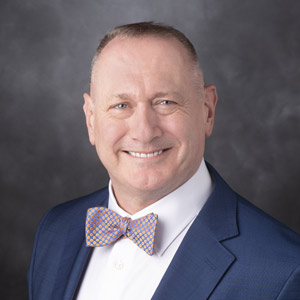
Brent Braveman
Advances in cancer screening, treatment and survivorship have transformed cancer from an acute, often fatal disease into a chronic condition for many individuals. Today, more than 18 million cancer survivors are living in the United States. As survival improves, healthcare leaders face a new challenge: ensuring that survivors not only live longer but also maintain the highest possible levels of function, independence and quality of life.
Cancer and its treatments frequently produce lasting physical, cognitive and psychosocial impairments. Cancer-related fatigue, chemotherapy-induced peripheral neuropathy, lymphedema, musculoskeletal pain, chemotherapy related cognitive impairment ("chemo brain"), reduced cardiopulmonary endurance, balance impairments and deconditioning are among the most common challenges facing cancer survivors. Left unaddressed, these impairments contribute to functional decline, increased healthcare utilization, caregiver burden, reduced workforce participation and diminished quality of life.
Increasingly, rehabilitation including occupational therapy and physical therapy is recognized as an essential component of high-quality oncology care. Groups such as the National Comprehensive Cancer Network (NCCN) recommend routine screening for functional limitations and timely referral to rehabilitation professionals throughout the cancer care continuum. Similarly, the American Society of Clinical Oncology (ASCO) has emphasized the importance of rehabilitation to prevent and manage treatment-related adverse effects and improve long-term survivorship outcomes.
Supporting Function across Treatment and Survivorship
Occupational therapy (OT) and physical therapy (PT) are uniquely positioned to address the complex functional consequences of cancer across every phase of care. During the pre-treatment phase, commonly referred to as prehabilitation, therapists establish baseline functional status, identify modifiable risk factors and implement interventions designed to improve physical fitness, optimize mobility, educate patients and prepare individuals for anticipated treatment-related challenges. Growing evidence suggests that prehabilitation can improve postoperative recovery, reduce complications, shorten hospital length of stay, facilitate earlier return to daily activities and potentially increase survival.
“Success is no longer measured solely by survival but by the ability of individuals to live, work and participate fully in their communities throughout and beyond their cancer experience.”
Throughout active treatment, rehabilitation focuses on preventing or minimizing functional decline while helping patients maintain participation in meaningful life roles. Occupational therapy practitioners enable continued participation in activities of daily living, instrumental activities of daily living, employment, caregiving and leisure by addressing body image, cognitive impairment, fatigue management, pain management, adaptive equipment needs, environmental modifications and compensatory strategies. Physical therapy practitioners develop individualized interventions to improve strength, endurance, gait, balance and cardiopulmonary capacity while promoting safe mobility during periods of intensive treatment. Together, OT and PT help cancer survivors remain as independent and engaged as possible despite the physical demands of cancer treatment.
The need for rehabilitation often extends well beyond completion of primary treatment. Survivorship is increasingly recognized as a distinct phase of cancer care, with many individuals experiencing persistent or late effects months or even years after treatment. These may include chronic fatigue, reduced physical capacity, pain, cognitive changes and limitations in work and community participation. Rehabilitation professionals develop individualized plans that restore function, promote healthy behaviors, facilitate return to work and address emerging impairments before they become disabling. This proactive approach aligns closely with the broader healthcare goals of improving patient-reported outcomes while reducing avoidable healthcare utilization.
Integrating Rehabilitation into Comprehensive Oncology Care
Rehabilitation also plays a vital role for individuals living with advanced or metastatic cancer. Contemporary palliative rehabilitation emphasizes maximizing function, preserving independence, reducing symptom burden and supporting participation in activities that remain meaningful to the individual. Occupational and physical therapy practitioners assist cancer survivors and caregivers with safe mobility, fall prevention, positioning, caregiver education, energy conservation, adaptive equipment and environmental modifications. Importantly, rehabilitation in advanced cancer is not intended to restore full function but rather to optimize quality of life within the context of evolving medical needs and patient-defined goals.
For healthcare executives, integrating rehabilitation across the oncology continuum represents both a clinical and strategic opportunity. Early identification of functional decline can reduce hospital length of stay, decrease readmissions, improve patient satisfaction, enhance value-based care metrics and support successful survivorship programs. As health systems increasingly emphasize patient-centered care, rehabilitation services should be viewed as an integral component of comprehensive oncology programs.
The growing body of evidence supporting cancer rehabilitation underscores a fundamental shift in oncology care. Success is no longer measured solely by survival but by the ability of individuals to live, work and participate fully in their communities throughout and beyond their cancer experience. Occupational therapy and physical therapy are indispensable partners in achieving these outcomes and will continue to play an increasingly important role as cancer survivorship expands.